
The Zero-Waste School Lunch: Reduce, Reuse, Compost
It’s back-to-school season! For some families, that means a daily lunchbox full of tubs, baggies, wrappers, and waste, and the choice between easy and eco-friendly.
Packing a lower-waste school lunch doesn't have to mean giving up convenience or replacing everything in your kitchen. While reusable options are usually the best choice, sometimes you just need the flexibility of disposable packaging. Luckily, many of the single-use products we rely on for packing lunches now have compostable alternatives. Sandwich and snack baggies, cling wrap, wax paper, portion cups, and other everyday packing products are available in compostable versions, making it easier to cut back on conventional plastic waste without sacrificing convenience.
For a more sustainable lunch, reduce waste first, reuse what you can, and compost the rest. Most importantly, remind your student: Don’t throw anything away. Bring it home! You can’t compost what doesn’t come back.
Compostable Lunchbox Swaps
Tidewater Compost accepts products with recognized third-party compostability certifications such as BPI, TÜV Austria, and the Compost Manufacturing Alliance (CMA). If you compost at home, specifically look for products certified as home compostable.
Compostable lunch-packing products are becoming easier to find and more affordable. You don't necessarily need to visit a specialty store; Major retailers including Target, Walmart, Whole Foods Market, Costco, Sam’s Club, Kroger, Harris Teeter, Amazon, and The Fresh Market carry a variety of compostable food-storage and foodservice products in stores or online.
Some brands to look for: Compostic, Lunchskins, World Centric, Repurpose, If You Care, and Full Circle Home.
Shopping online? Thrive Market, Grove Collaborative, and Green Paper Products are sustainability-focused retailers that incorporate practices like carbon-neutral shipping, lower-waste or recyclable shipping materials, and plastic-reduction initiatives into their fulfillment. For an even wider selection of compostable foodservice products, you can also shop directly from brands like Eco-Products and Vegware.
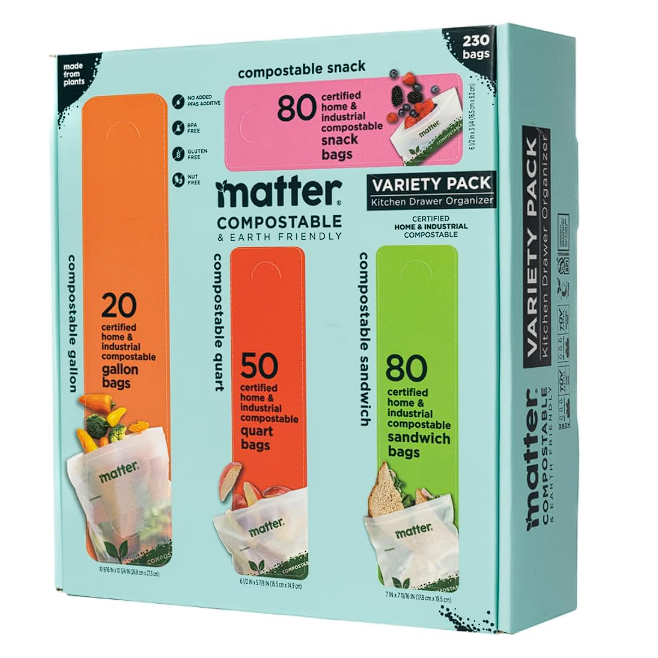
Matter Compostable Resealable Bags, 230 ct
$28.99 at Amazon.com
$28.99 at Matter.com
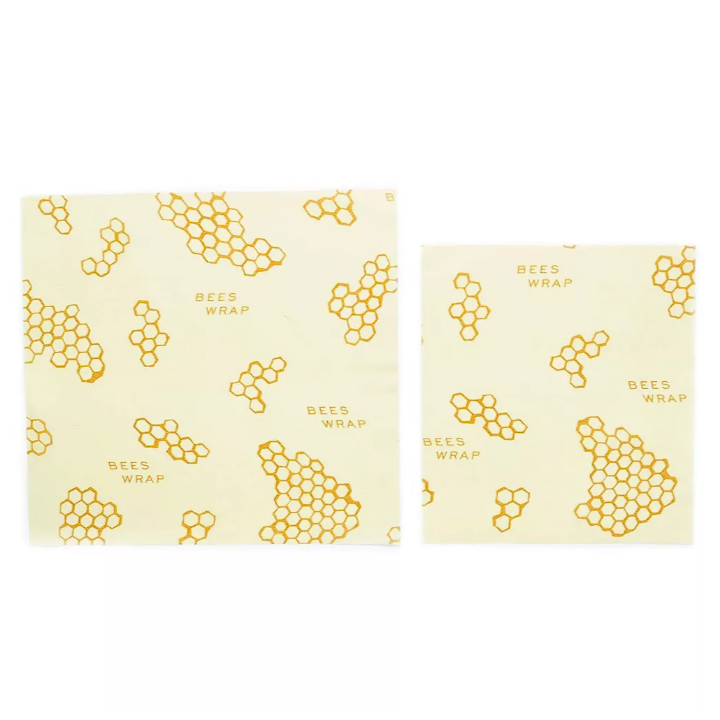
Bee's Wrap Reusable Beeswax Compostable Food Wraps - 2ct
$12.99 at Target Stores
Available in a variety of sizes and quantities at Amazon, Walmart, Grove, etc.
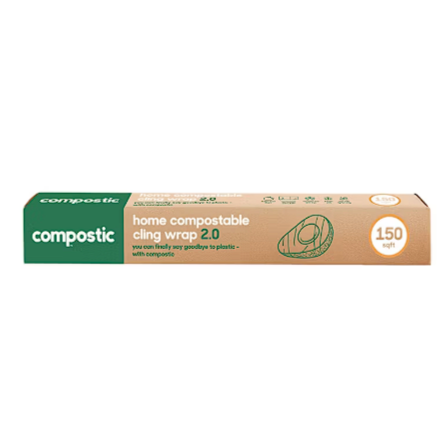
Compostic Compostable Cling Wrap, 150 sqft
$6.69 at Target.com
$7.29 at Thrivemarket.com
$8.69 at WholeFoods
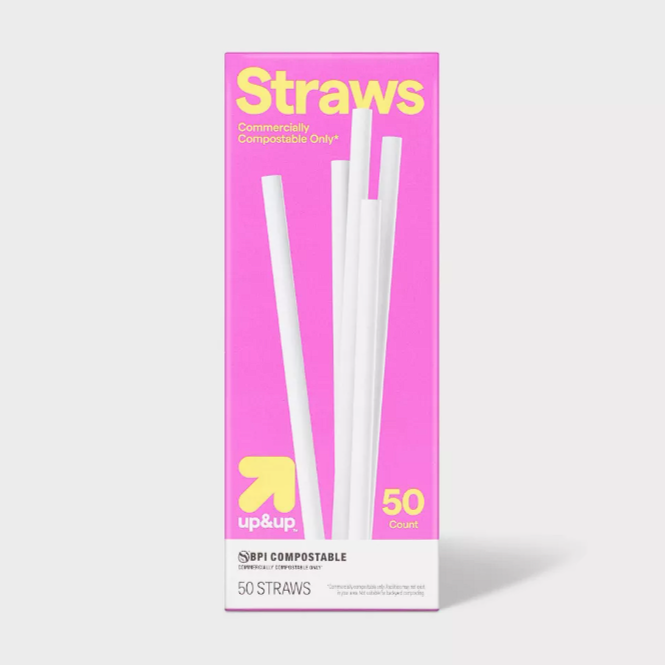
up&up Compostable Straws, 50ct
$3.19 at Target Stores
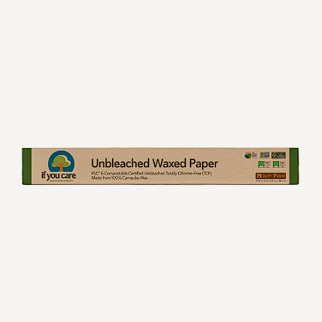
If You Care Wax Paper Unbleached, 75 sqft
$6.59 at Amazon.com
$7.79 at Thrivemarket.com
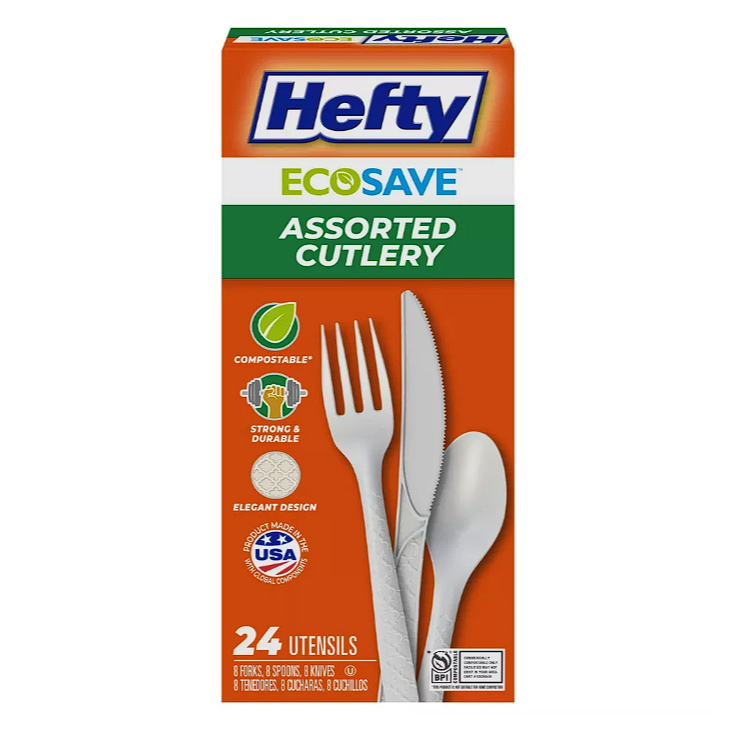
Hefty Ecosave Compostable Cutlery, 24ct
$2.99 at Target Stores
$2.97 at Amazon.com
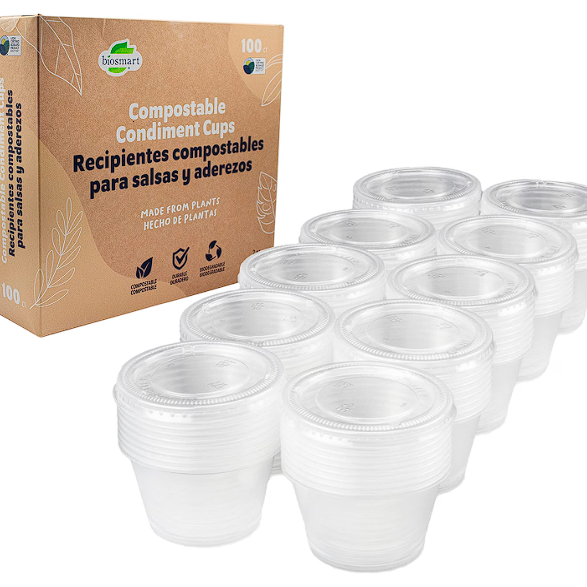
Jacent Compostable Condiment Cups with Lids, 2 oz, 100 ct
$17.99 at Amazon.com
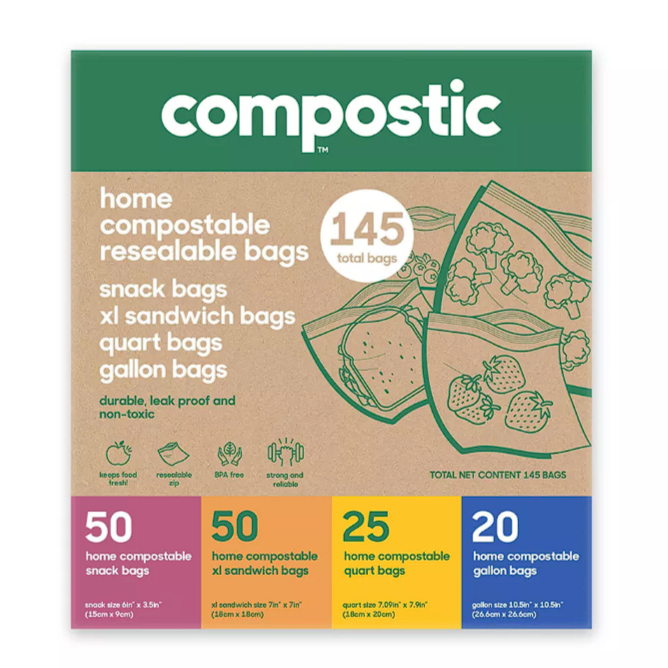
Compostic Compostable Food Storage Bags Variety Pack - 145ct
$16.99 on Amazon.com
$16.99 at Target Stores
$25.99 at Grove.com
More Tips & Tricks for a Sustainable School Lunch
Use what you already have.
Don't replace a perfectly functional lunchbox or set of containers just because there is a more “eco-friendly” version available. Keeping existing products in use longer reduces waste and avoids the resources required to manufacture something new.
Be mindful of plastic.
You don't need to throw away usable plastic food containers, but there are steps you can take to reduce potential exposure to microplastics and chemicals. Avoid heating food in plastic when possible, and replace containers when they become scratched, cracked, warped, or heavily worn.
Choose reusable first.
When something does need to be replaced, use it as an opportunity to transition to a durable, plastic-free alternative. Look for materials such as stainless steel, food-grade platinum silicone, natural bamboo, or cloth.
When shopping, look for 100% plastic free labeling. Check the manufacturer's materials and food-safety information rather than relying solely on terms like “eco-friendly” or “plastic-free.”
Minimize food waste.
Try not to pack more than your child typically eats. Repack unopened or safely stored foods from yesterday, send leftovers from dinner, and compost what can't be saved. Tidewater Compost accepts all types of food scraps, including fruit cores, pits, seeds, bones, shells, and more!
Skip individually packaged snacks when you can.
Buy larger packages and portion snacks into reusable or compostable containers. It reduces packaging and can save money, too.
Let their drink double as an ice pack.
Fill a freezer-safe reusable bottle about 80% full and freeze it overnight. Wrapped in a cloth to catch condensation, it can help keep lunch cool before thawing into a drink. Just remember that once it thaws, it is no longer keeping perishable leftovers cold.
And one more time: bring it home!
Reusable containers, utensils, compostable packaging, and food scraps should all come back in the lunchbox. At home, you can wash what needs to be reused, compost what can be composted, and make sure as little as possible ends up in the trash.
Sustainable lunches don't have to be perfectly zero waste. Start with what you already have, make reusable choices when they're practical, and take advantage of compostable alternatives when you need the convenience of single-use packaging. Small changes made over hundreds of school lunches can add up to a lot less waste.